We’ve all heard the warnings: don’t text and drive, don’t eat and drive, don’t fumble with the radio or your GPS. But for some reason, distracted driving still seems to be something people think they can get away with—until the unthinkable happens.
I know firsthand just how devastating that “unthinkable” can be. On July 19, 2009 I was involved in a crash that changed my life forever. I can’t say for sure the driver was distracted. He ran away from the scene, turning himself in later—presumably to avoid testing for alcohol. Whether it was distraction, impairment, or something else entirely, the reason doesn’t matter. What matters is that it happened, and it could have been prevented.
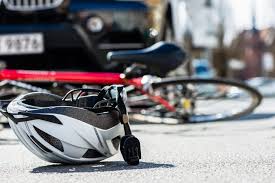
The force of that impact left me permanently disabled. But here’s the sobering truth: the only reason I survived at all was because I’d been wearing my helmet. Without it, I wouldn’t be writing this today. That one small, simple choice—slipping on a helmet—was the difference between life and death.
Distracted Driving and Brain Injuries
When you think about the dangers of distracted driving, you might picture fender-benders or broken bones. But the real danger often lies in what you can’t see: the brain injuries that can happen in an instant. Your brain is soft, delicate, and not designed to handle the sudden deceleration of a crash. Even at relatively low speeds, a distracted driver can cause an impact strong enough to cause a concussion, a contusion, or worse.
Acquired brain injuries (ABIs) can be devastating and lifelong. They can affect memory, mood, speech, balance, and countless other aspects of daily life. And unlike a broken bone, the damage often isn’t visible to others. That invisibility can make recovery even harder, because people may not understand what you’re going through.
Distraction Isn’t Just Phones
When we talk about “distracted driving,” phones get most of the blame. And yes, they’re a huge culprit. But distraction comes in many forms: adjusting the radio, eating, arguing with a passenger, daydreaming, reaching for something in the back seat. Even glancing away for two seconds can be enough to miss a cyclist, pedestrian, or another vehicle.
In my case, I’ll never know exactly what caused the driver to hit us. What I do know is that he wasn’t focused on the road in the way he should have been. That momentary lapse forever changed the course of my life.
Prevention Is Always Worth It
The easiest way to prevent a distracted driving crash is simple: focus 100% on driving. Nothing else is worth the risk—not a text, not a snack, not a quick adjustment to the GPS. And if you’re cycling, skating, or doing anything else on the road, wear your helmet. You can’t control what drivers do, but you can protect yourself from the worst outcomes.
I’m living proof. A distracted driver nearly took my life. A helmet saved it. Don’t gamble with yours.


Hi Robert, a well-written piece with an important message for everyone. Hope you are doing well.
Andrew
Thank you! As important as it is, together with it being personal (who will read it actually-know me) I’m kinda skeptical people will change, because simply reading something likely work 🙁